Grape · Burgundy, France
Chardonnay
shar-doh-NAY
The complete white
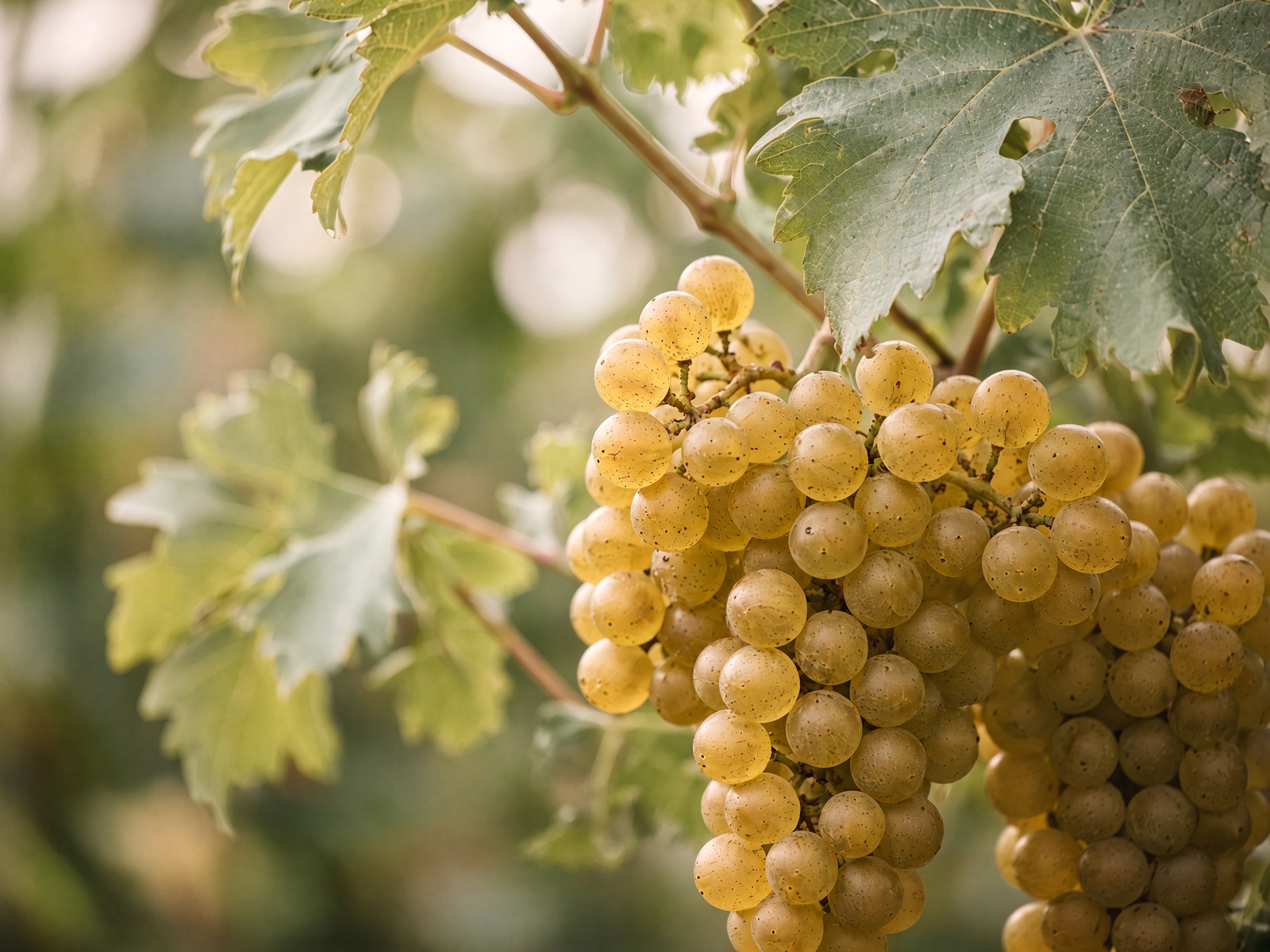
From steely Chablis to opulent Napa, Chardonnay is a chameleon: high natural acid, a neutral-to-orchard fruit core, and a talent for oak, lees, and malolactic.
- apple
- citrus
- hazelnut
- butter
- flint
Profile
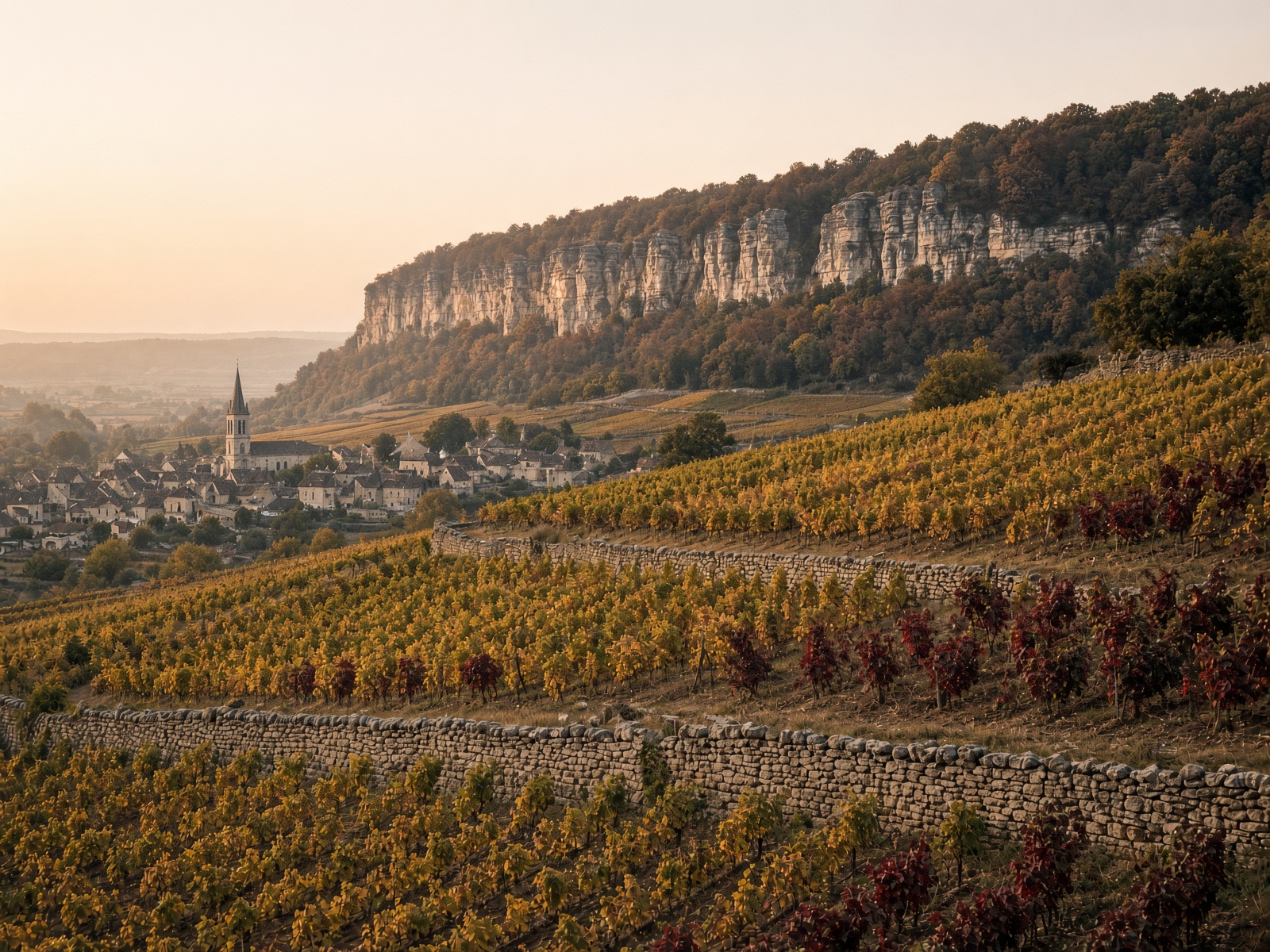
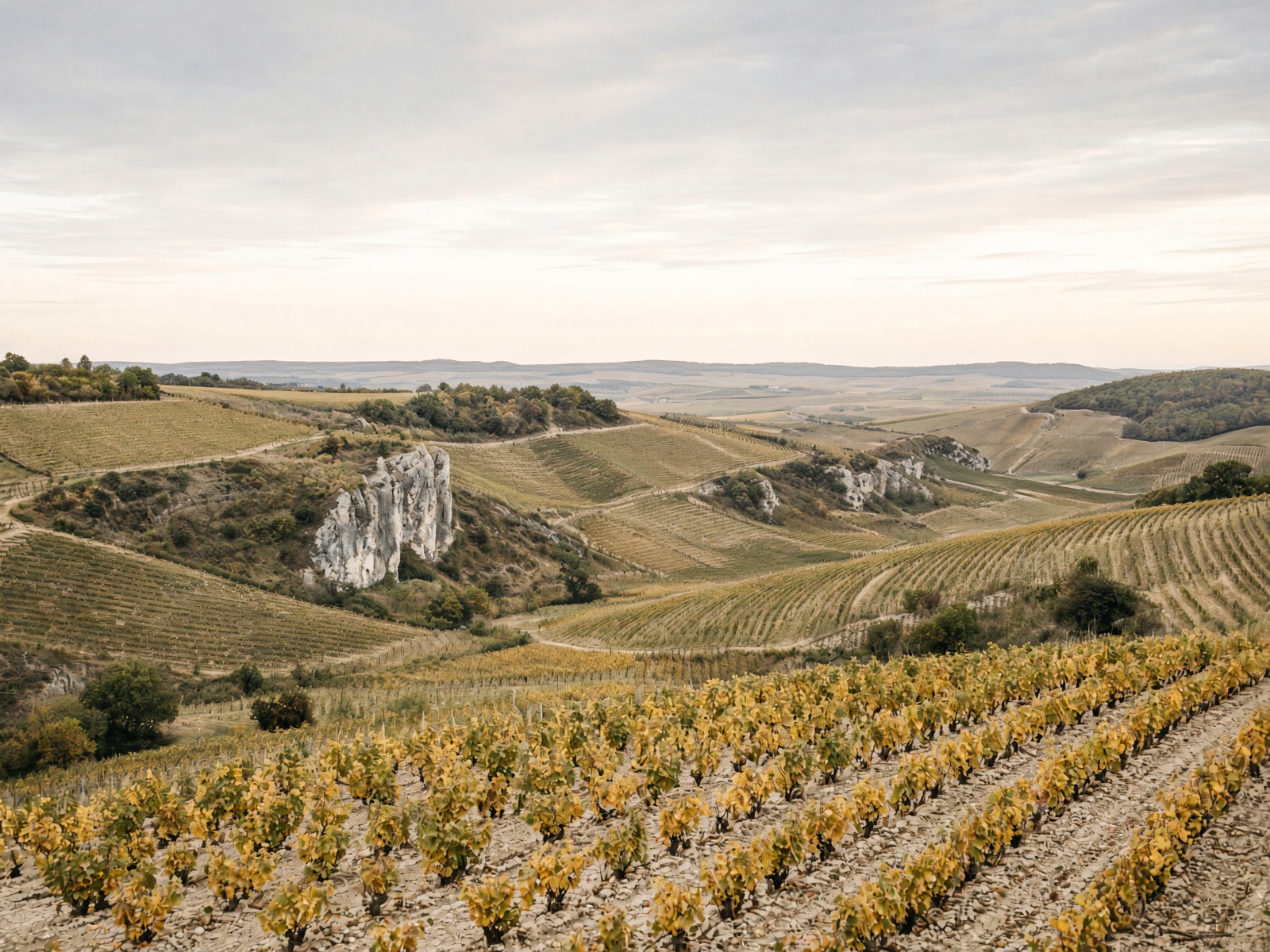
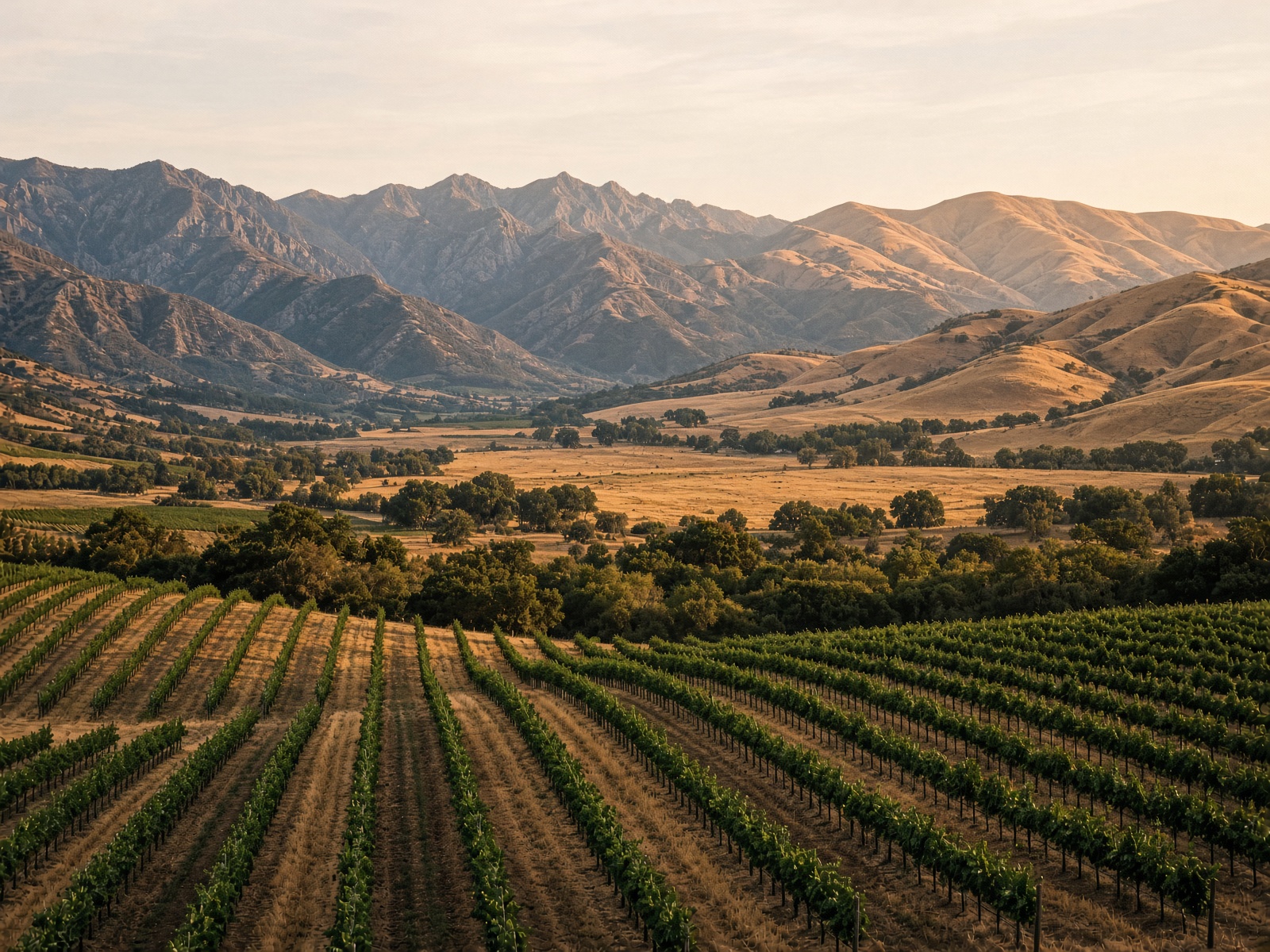
In Chablis it is unoaked, taut, and stony. On the Côte de Beaune — Meursault, Puligny, Chassagne — it takes barrel and lees and becomes hazelnut, citrus oil, and silk. In California and Australia it can be tropical and creamy, or, in cooler AVAs, closer to Burgundy.
The grape itself is not buttery. Butter comes from malolactic fermentation; vanilla from oak. If you 'don't like Chardonnay,' you may not like those winemaking choices. Try Chablis or a cool-climate, low-oak bottle before you decide.
It is the white grape of Champagne and the world's most versatile food white: oysters in Chablis, roast chicken in Meursault, lobster in a richer style.
At the table
Service
Chablis 46–50 °F (8–10 °C); oak-aged 50–55 °F (10–13 °C) in a moderately wide white glass.