Service
Temperature, glass, the rest of the bottle.
Most wine is served too warm, in the wrong glass, or left on the counter overnight. Fahrenheit first. Fridge the leftovers. Send corked bottles back.
Temperatures
Sparkling
43–50 °F6–10 °C
Colder for Prosecco and cheap fizz; closer to 50 °F (10 °C) for vintage Champagne so the aroma can move.
- Glass
- Tulip or white-wine glass. Flutes keep bubbles, not flavor.
- Decant
- Almost never. A tight, young Blanc de Blancs can have ten minutes in a carafe if you must.
- Think
- Champagne, Cava, Crémant, Prosecco, English sparkling
Light, crisp whites
45–50 °F7–10 °C
Cold enough to feel refreshing; not so cold the wine goes mute.
- Glass
- Narrow white glass, to keep the nose focused.
- Decant
- No.
- Think
- Muscadet, Sancerre, Albariño, Pinot Grigio, Vinho Verde
Full, oak-aged whites
50–55 °F10–13 °C
Too cold and all you get is oak and hole. Let it come up in the glass.
- Glass
- A wider white bowl — Burgundy-shaped works for serious Chardonnay.
- Decant
- Optional for tightly wound young white Burgundy or Savennières.
- Think
- Meursault, Napa Chardonnay, white Rioja Reserva, dry Chenin
Aromatic whites
45–48 °F7–9 °C
Perfume is the point; cold keeps it lifted, not soupy.
- Glass
- Standard white glass. Inhale before you sip.
- Decant
- No.
- Think
- Riesling, Gewürztraminer, Torrontés, Moscato (well chilled)
Dry rosé
46–54 °F8–12 °C
Provence-style pale rosés at the colder end; darker Spanish rosados a degree or two warmer.
- Glass
- White glass. Not a jumbo goblet.
- Decant
- No.
- Think
- Provençal rosé, Tavel, Navarra Garnacha rosado
Light reds
54–57 °F12–14 °C
A short spell in the fridge (15–20 minutes) is a feature, not a crime.
- Glass
- Burgundy bowl, so Pinot and Gamay can smell of something.
- Decant
- Rarely. A swirl in the glass is enough.
- Think
- Pinot Noir, Gamay, Frappato, Schiava, Valpolicella Classico
Medium reds
57–61 °F14–16 °C
Chianti, Rioja, Loire Cabernet Franc — cool room, not a sunny counter.
- Glass
- Universal or Bordeaux glass.
- Decant
- 20–40 minutes if the wine is young and closed.
- Think
- Chianti Classico, Côtes du Rhône, Chinon, Rioja Crianza
Full, tannic reds
61–64 °F16–18 °C
Warmer than this and you smell ethanol. Cooler and tannin turns chalky.
- Glass
- Tall Bordeaux glass for Cabernet; a wider bowl for Barolo and Syrah.
- Decant
- Yes — 45 minutes to 2 hours for young bottles. Old bottles: stand, open, pour off sediment.
- Think
- Barolo, Napa Cabernet, Hermitage, Brunello, Left Bank Bordeaux
Dessert wines
43–50 °F6–10 °C
Cold keeps sweetness from cloying. Age-worthy Sauternes can sit nearer 50 °F (10 °C).
- Glass
- Small pour, white or dedicated dessert glass.
- Decant
- No, unless there is sediment in an old bottle.
- Think
- Sauternes, TBA Riesling, Tokaji, ice wine, PX
Fortified
45–61 °F7–16 °C
Fino/Manzanilla very cold; Tawny cool; Vintage Port like a red.
- Glass
- White glass for Fino; slightly larger for Tawny; red glass for Vintage Port.
- Decant
- Vintage Port: yes, for sediment. Fino: no, and finish within days of opening.
- Think
- Fino, Amontillado, Tawny Port, Vintage Port, Madeira
Glassware, briefly
Shape is not snobbery. A tulip holds aroma; a Burgundy bowl lets Pinot bloom; a tall Bordeaux glass tames tannin.
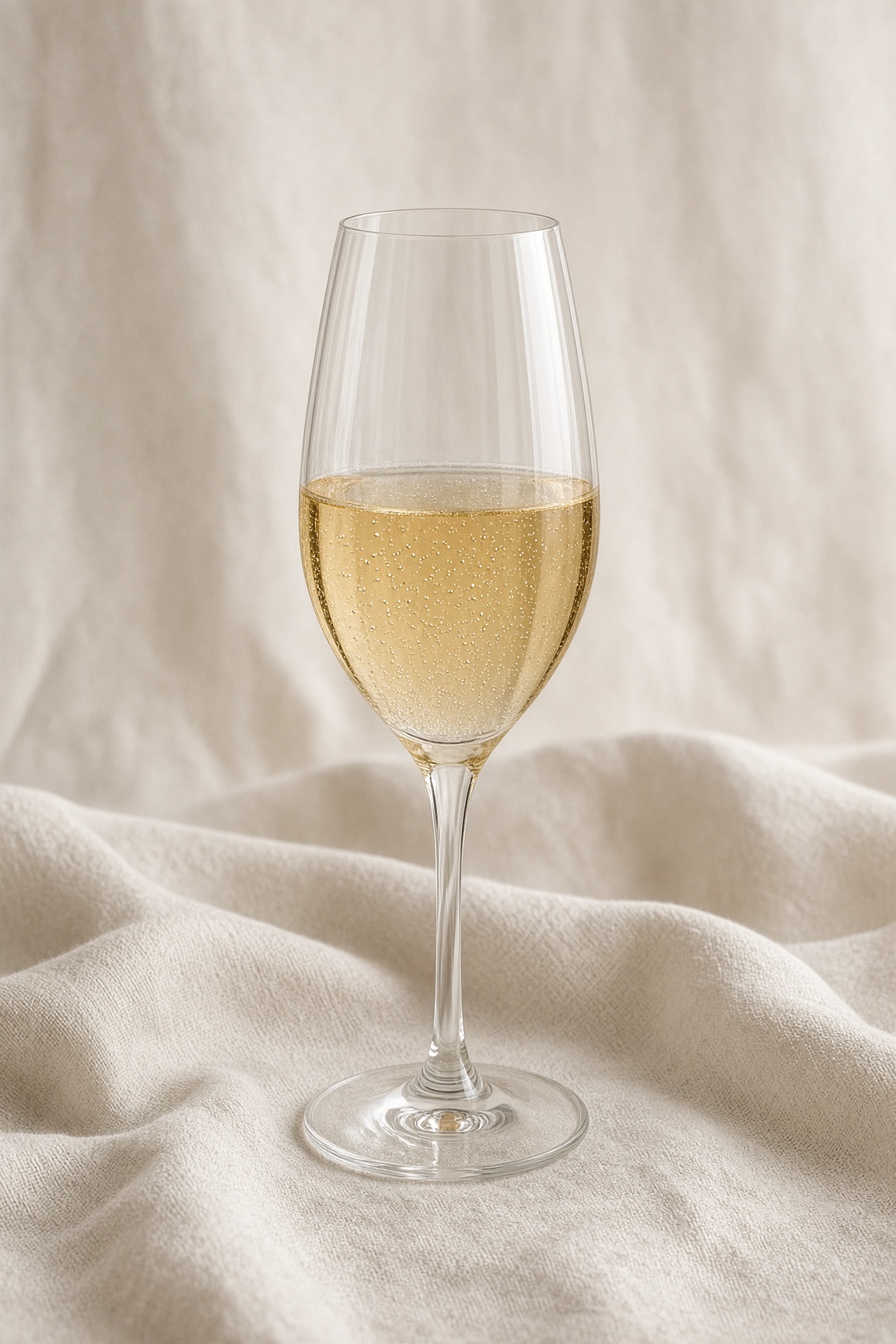
Sparkling tulip
Champagne and traditional-method wines you actually want to taste.
Tapers at the top to hold aroma. A flute is a visual instrument.
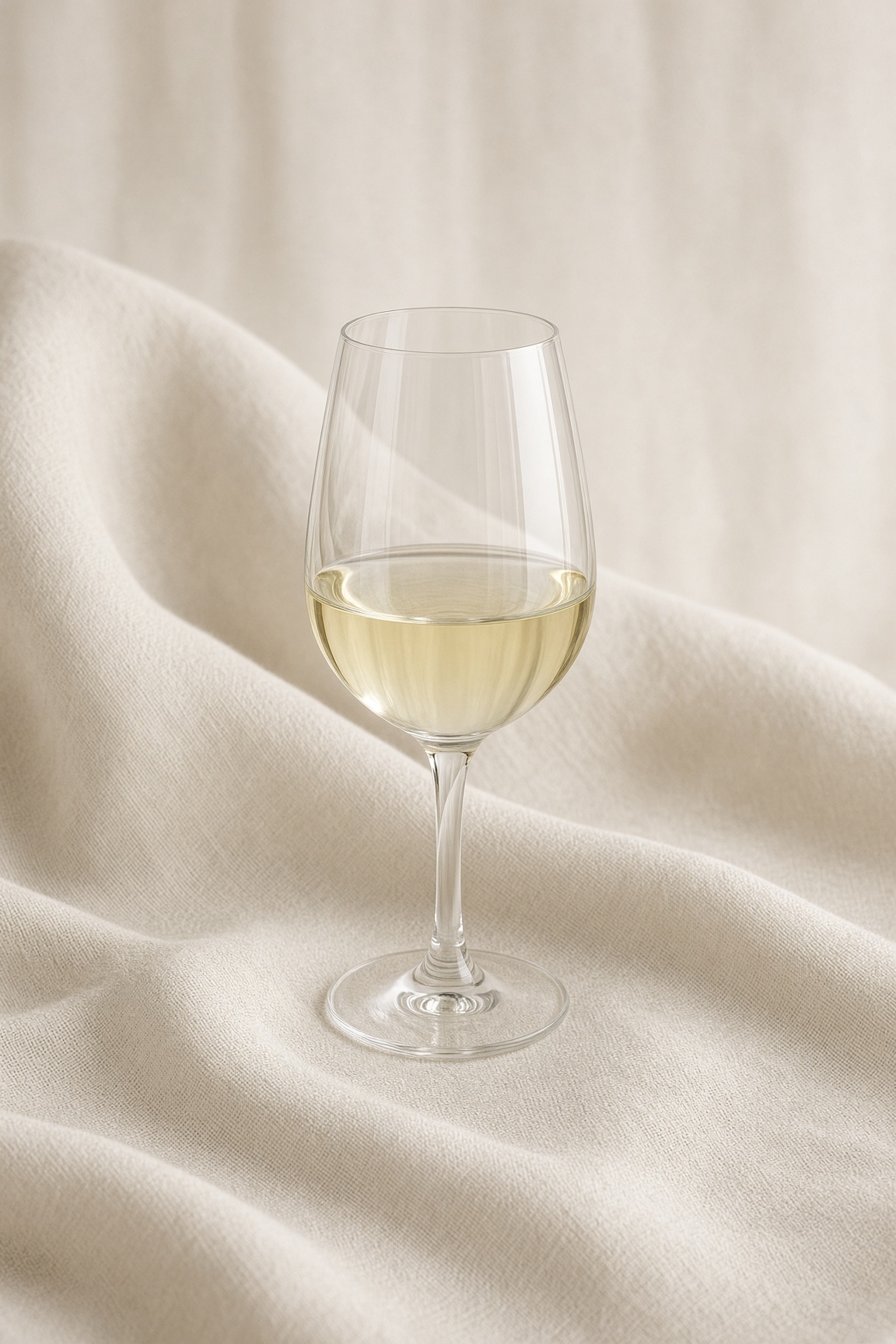
Narrow white
Crisp, aromatic whites and Fino Sherry.
Keeps volatile notes focused and the wine colder longer.
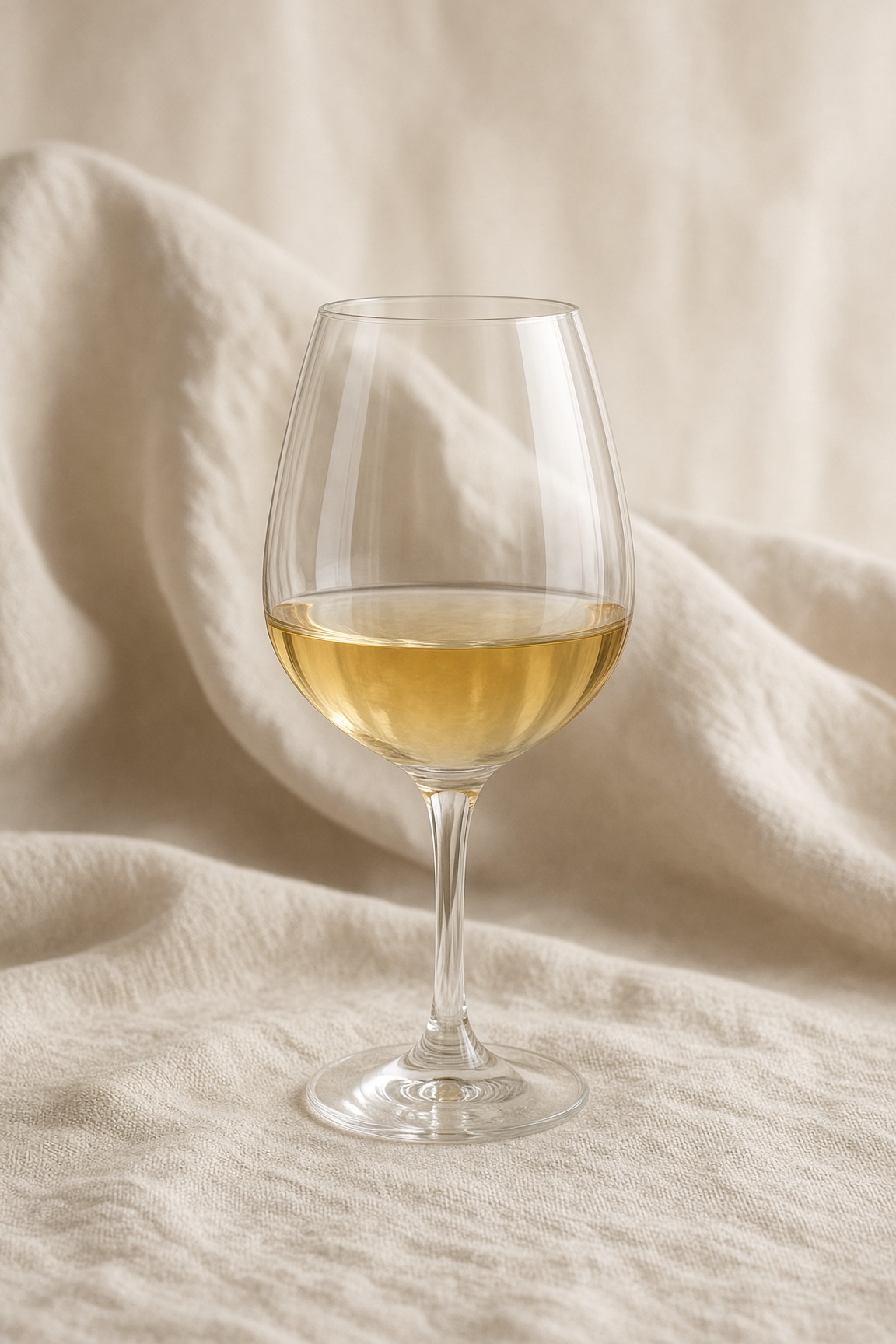
White Burgundy / wide white
Oaked Chardonnay, serious Chenin, orange wine.
A little more bowl gives texture and nutty notes room.
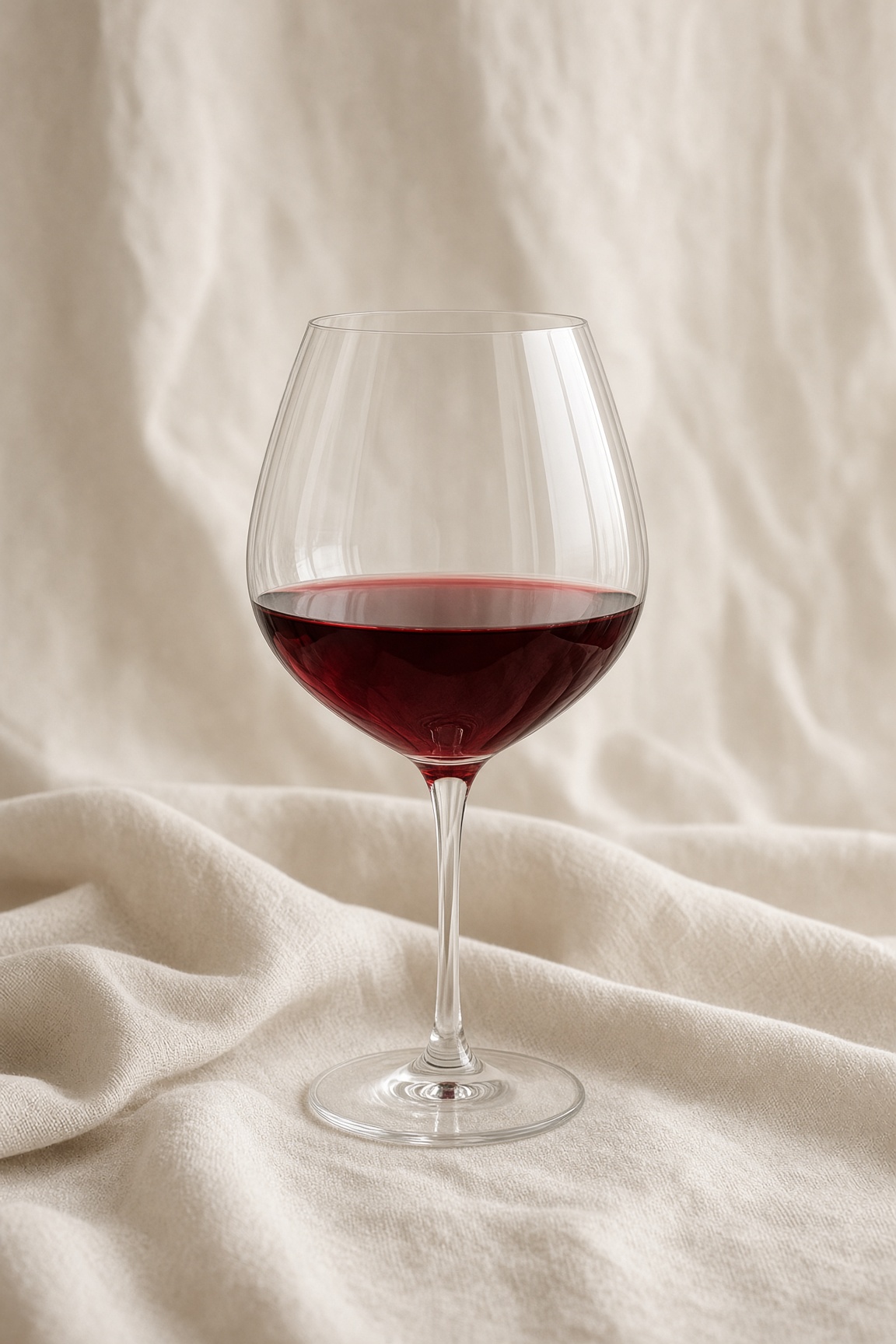
Burgundy bowl
Pinot Noir, Nebbiolo, Gamay, and scented reds.
The wide bowl is for perfume. Do not fill past a third.
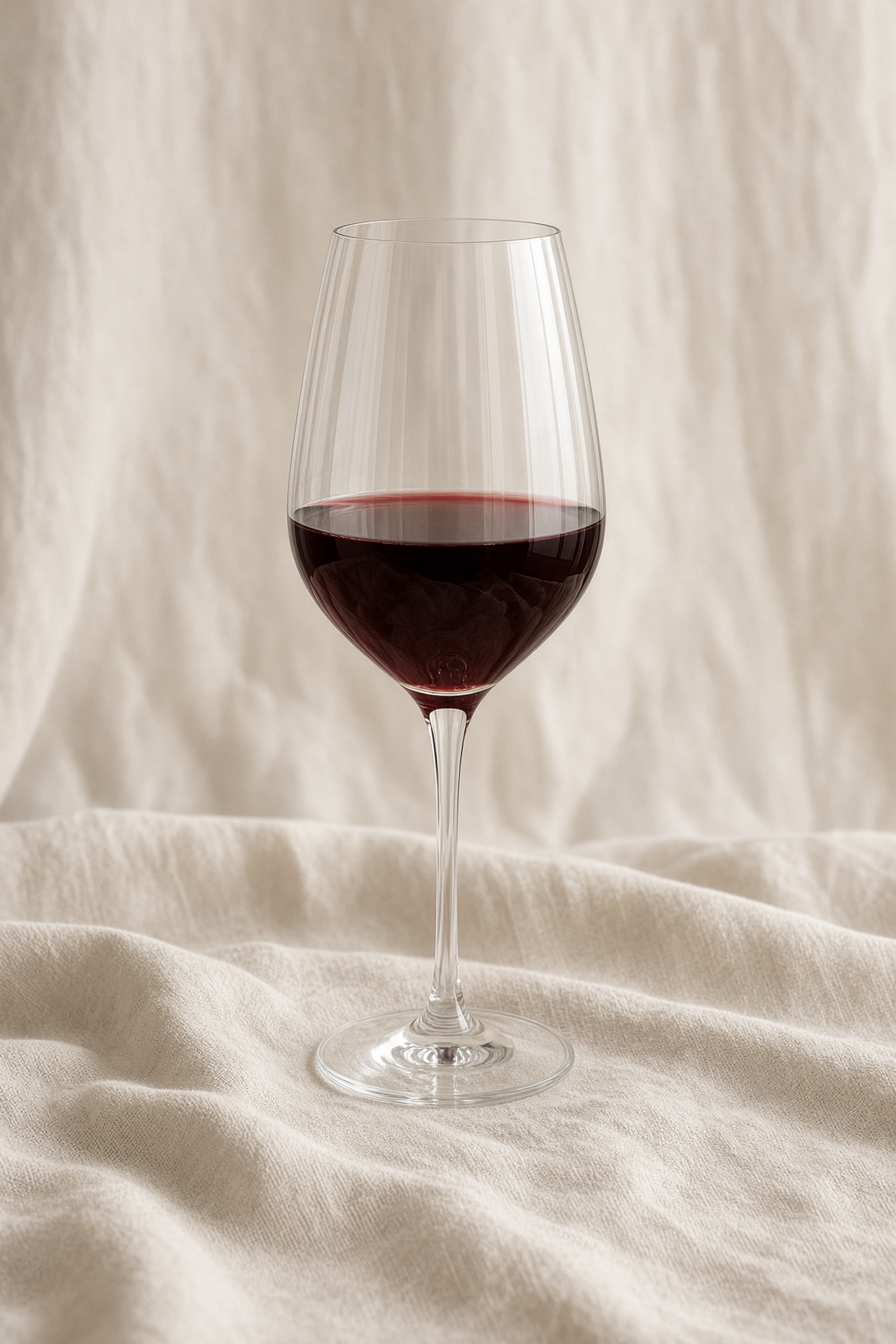
Bordeaux / tall red
Cabernet, Merlot, Syrah, structured blends.
Height directs the wine to the back of the mouth, past the harshest tannin hit.
After you open it
Recork. Fridge. Yes, the red. Cold is slower oxygen, not a crime. Windows are honest, not optimistic.
Recork
The original cork, a stopper, anything that seals. Minutes of air at the neck do more damage than the next three days in the fridge.
Fridge everything
Yes, the red. Cold slows oxygen. Stand it up. Take it out 20 minutes before the next glass so it isn’t mute.
Less air, less harm
Upright, not on its side. A half bottle has more oxygen over the wine than a full one — finish the short bottles first.
Sparkling is a clamp
A hinged sparkling stopper. Vacuum pumps steal the bubbles. Do not Coravin Champagne.
Sparkling
1–2 days
Clamp stopper, fridge. Day two is still a glass; day three is sad soda.
Champagne, Cava, Prosecco, Crémant
Crisp white and dry rosé
2–3 days
Recork, fridge. The citrus goes first; drink while it still snaps.
Sancerre, Albariño, Muscadet, Provence rosé
Oaked or rich white
3–4 days
Recork, fridge. Texture holds a little longer than perfume.
Meursault, Napa Chardonnay, white Rioja, dry Chenin
Light red
2–3 days
Fridge, then 15–20 minutes on the counter. Pinot fades faster than people admit.
Pinot Noir, Gamay, Frappato, Valpolicella
Full, tannic red
3–5 days
Fridge, recork. Tannin and sulfur buy you time. Day five is stew unless it was built for age.
Cabernet, Barolo, Syrah, Chianti Classico
Fino and Manzanilla
3–5 days
Fridge, tight cork. These are not Port. After a week they taste like walnuts and regret.
Fino, Manzanilla, unfiltered en rama
Tawny, Amontillado, Oloroso
2–4 weeks
Already oxidized on purpose. Cool and sealed. A month is normal; a season is pushing it.
Tawny Port, Amontillado, Oloroso, cream Sherry
Vintage Port
3–5 days
Treat it like a serious red. Recork, fridge. It is not Tawny.
Vintage Port, LBV once opened
Madeira and PX
Months
The wine was already cooked or dried. Cork it, cool cupboard or fridge, pour by the glass all winter.
Madeira, Pedro Ximénez, vin santo
Coravin
A needle and argon, through an intact cork, for still wine you want by the glass for weeks. It is not a time machine for a bottle you already pulled the cork from — recork and fridge that one. Never on sparkling: you will flatten it and waste gas.
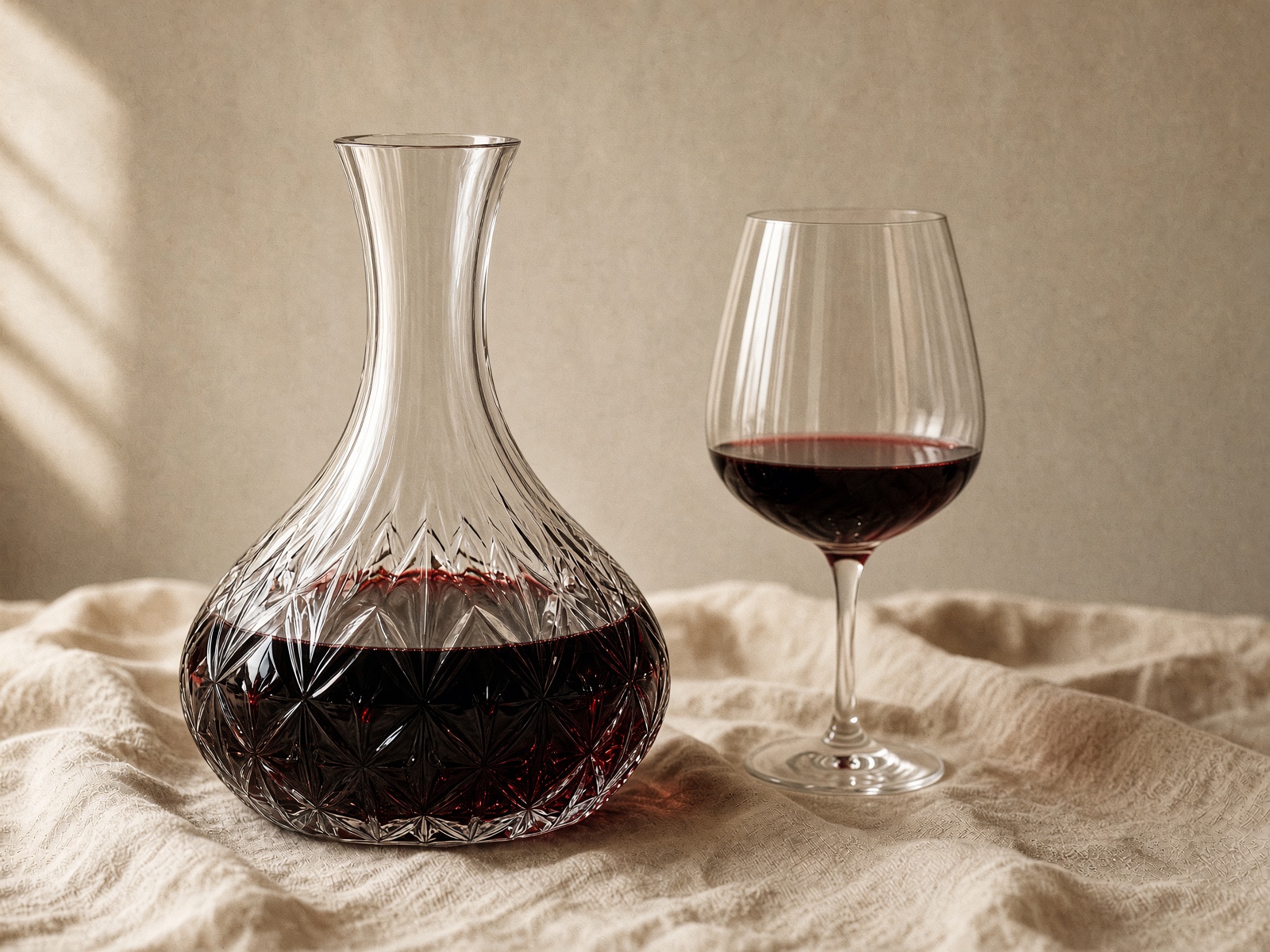
When to decant
01
Young and tannic
Barolo, Cabernet, Syrah, serious Bordeaux under ten years. An hour in a decanter is kindness, not snobbery.
02
Old and fragile
Stand the bottle a day if you can. Open, pour slowly, leave the last cloudy centimeter. A violent splash of air can flatten a 30-year wine in minutes.
03
Closed but not tannic
A tight white Burgundy, a reductive natural wine (struck match), a shy Pinot. Ten minutes in any clean pitcher often does it.
04
Skip it
Most weeknight bottles, almost all sparkling, Fino Sherry, and anything you are serving ice-cold. Swirl the glass instead.
Faults at the table
If it smells wrong, it probably is. Send it back. A good house will not make you recite chemistry.
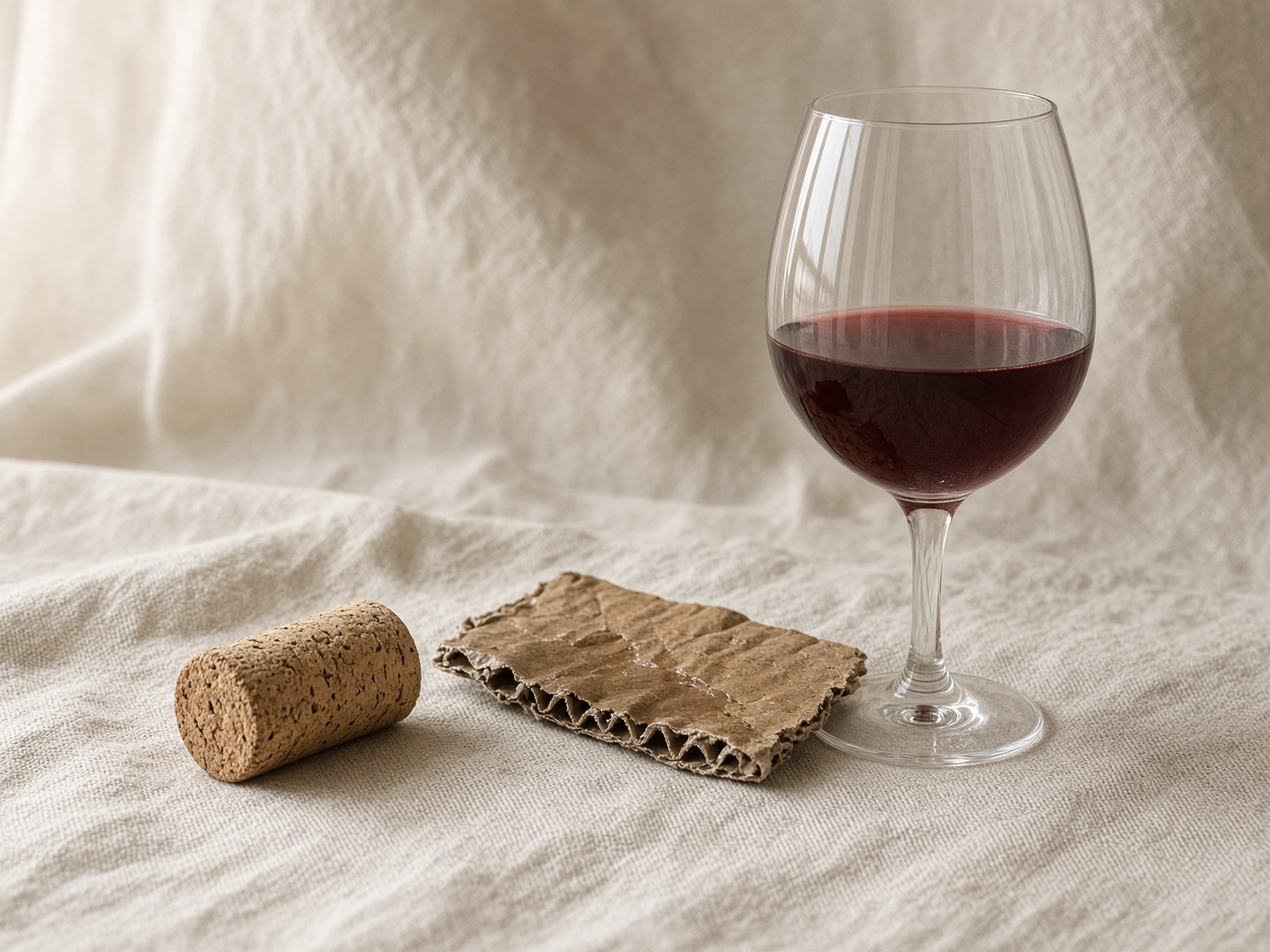
Cork taint (TCA)
Wet cardboard, damp basement; fruit gone mute.
Send it back or return it. Cooking will not save it.
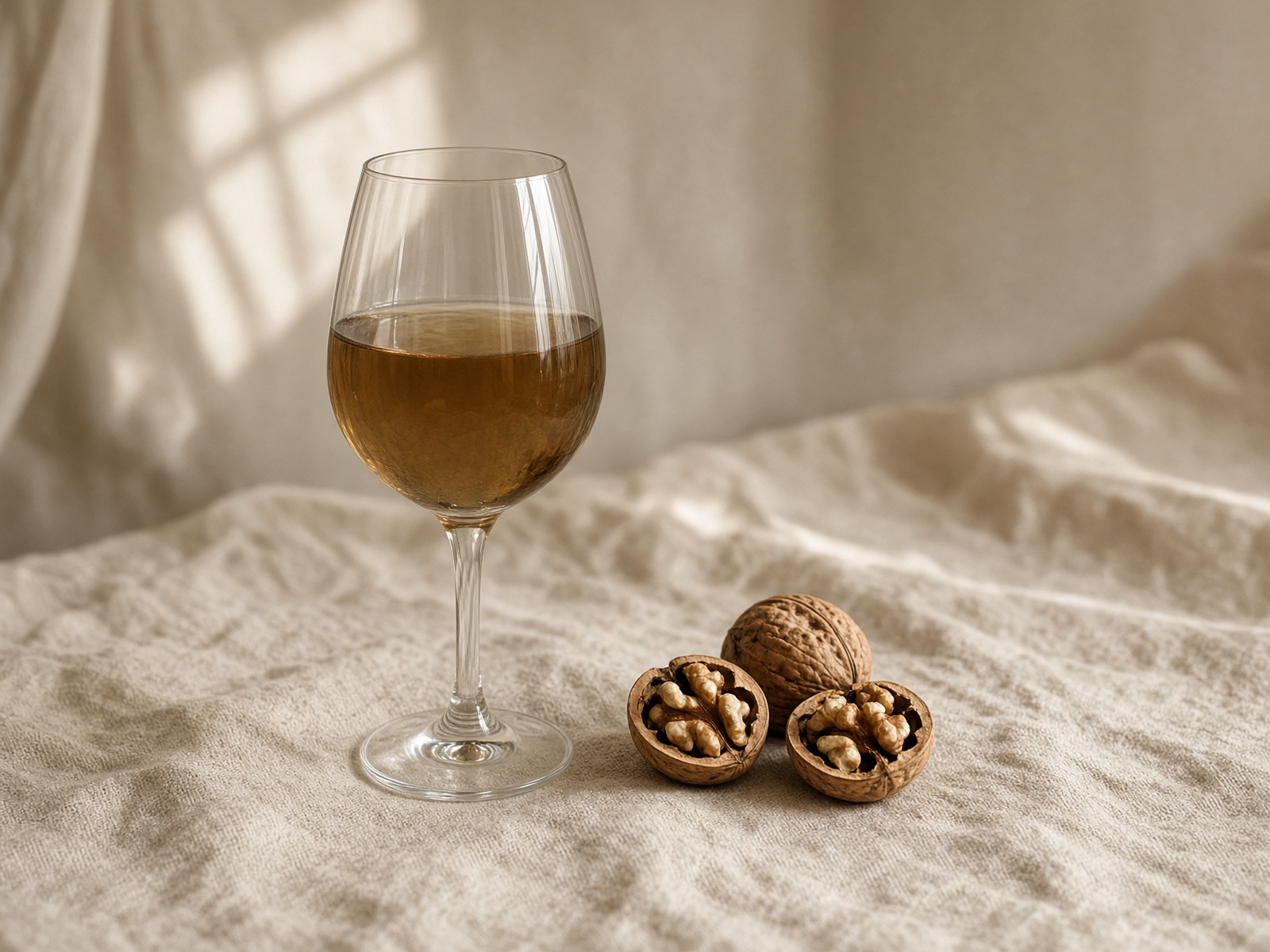
Oxidation
Walnuts, stale cider, Madeira notes in a wine that should be fresh; browned color.
If the style isn't Sherry or vin jaune, the bottle is tired. Move on.
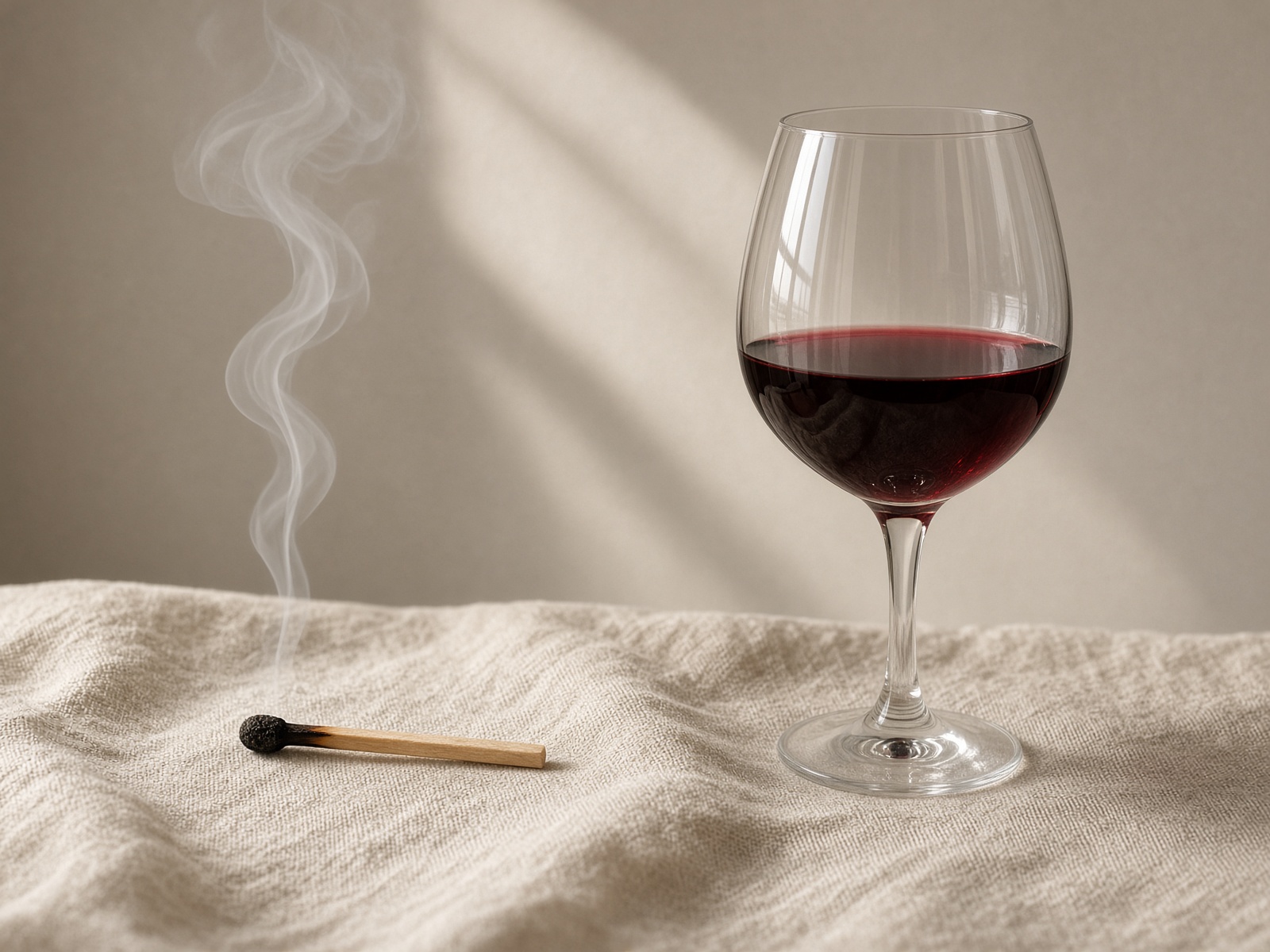
Reduction
Struck match, burnt rubber, rotten egg.
Splash decant or swirl hard. If it blows off, you are fine. If it doesn't, the wine may be flawed.
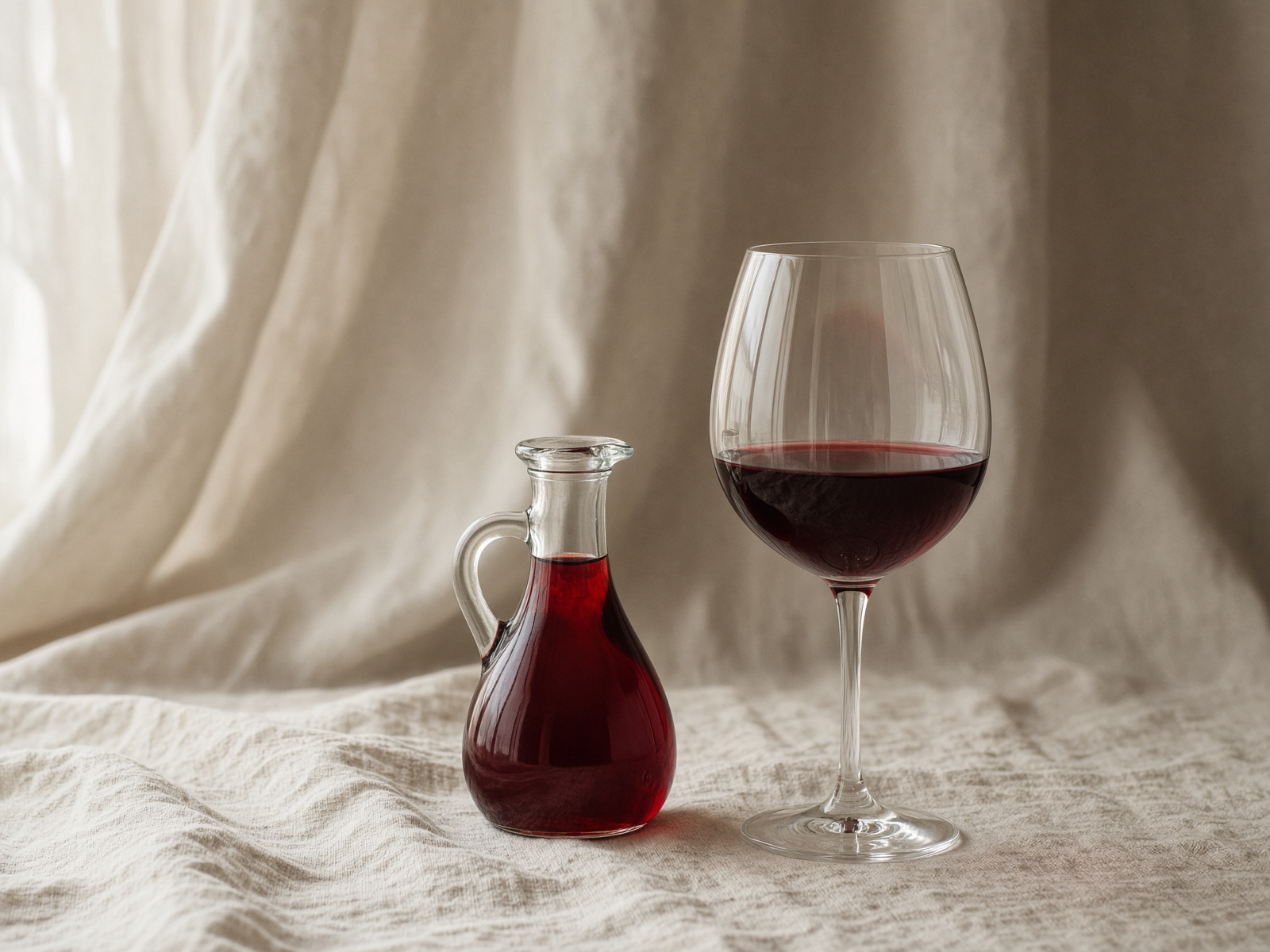
Volatile acidity
Vinegar, nail polish remover.
A whisper can be part of some styles. A punch is a fault.
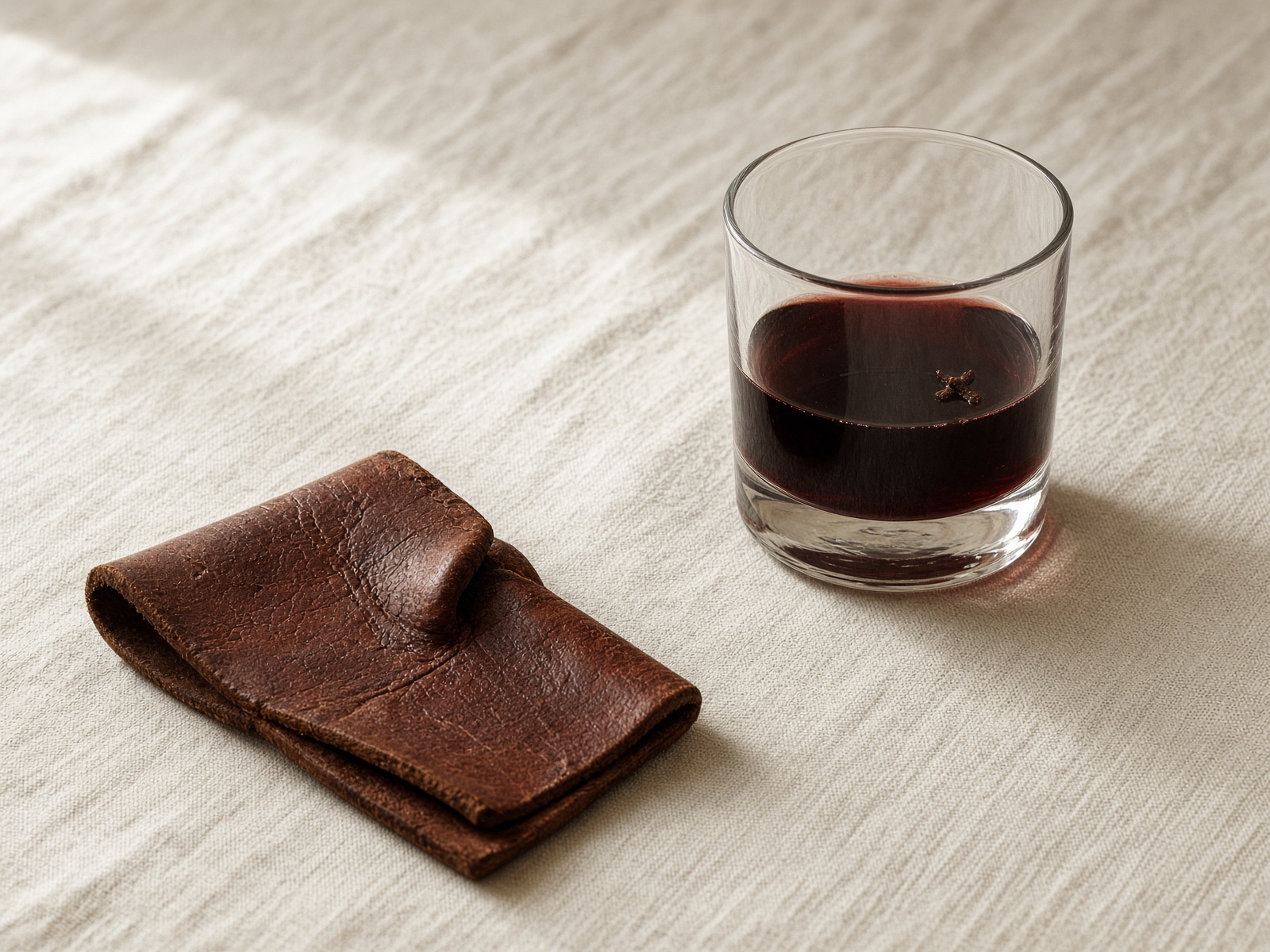
Brettanomyces
Bandage, barnyard, clove, sweaty saddle.
A trace in Rhône or natural wine is a taste some people like. A lot is a dirty cellar.
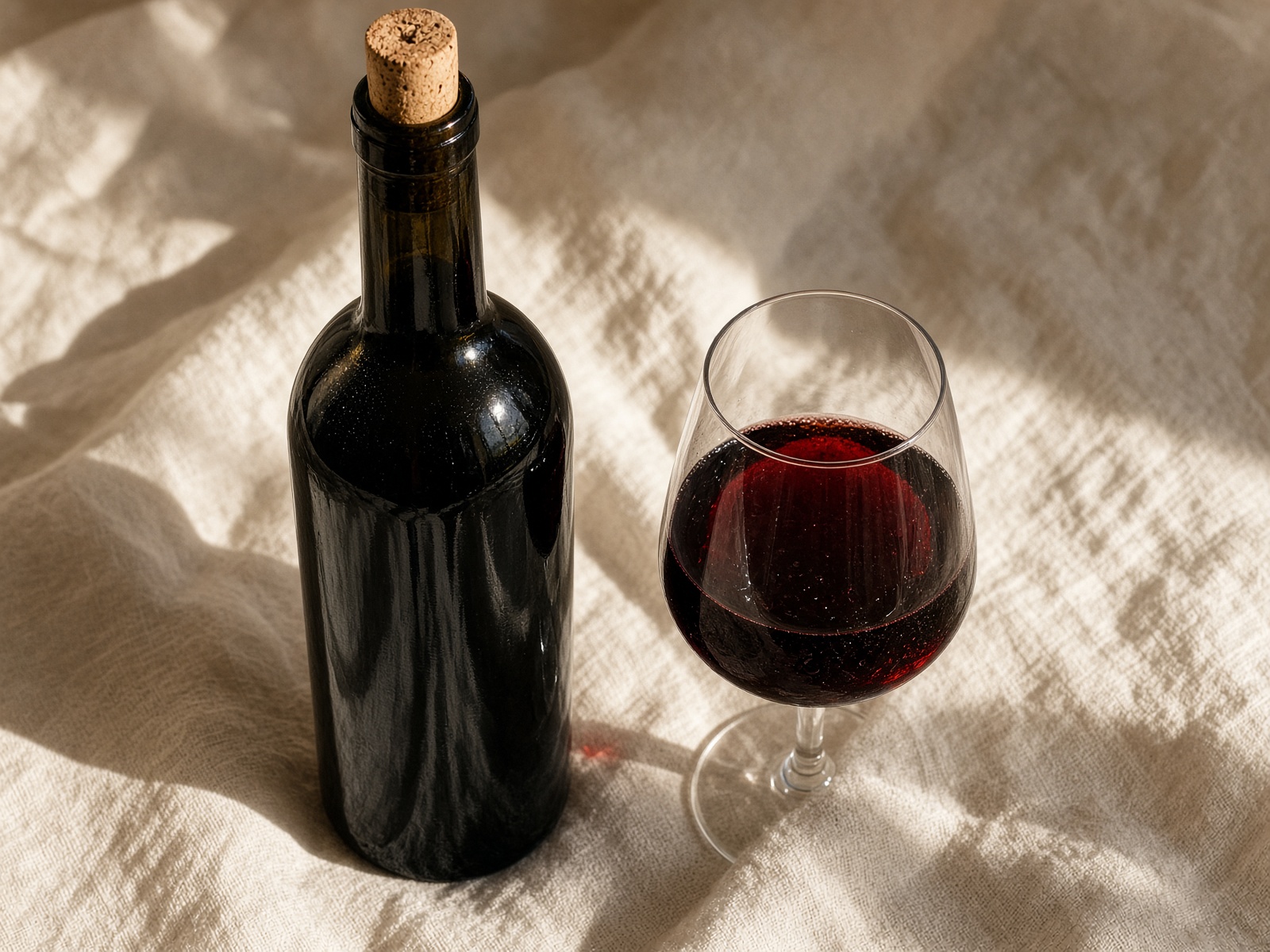
Heat damage
Stewed fruit, jam without freshness; corks pushing up.
The wine was cooked in transit or on a shelf. Not your fault. Not drinkable at its best.