Term
Tannin
TAN-in
The dry grip
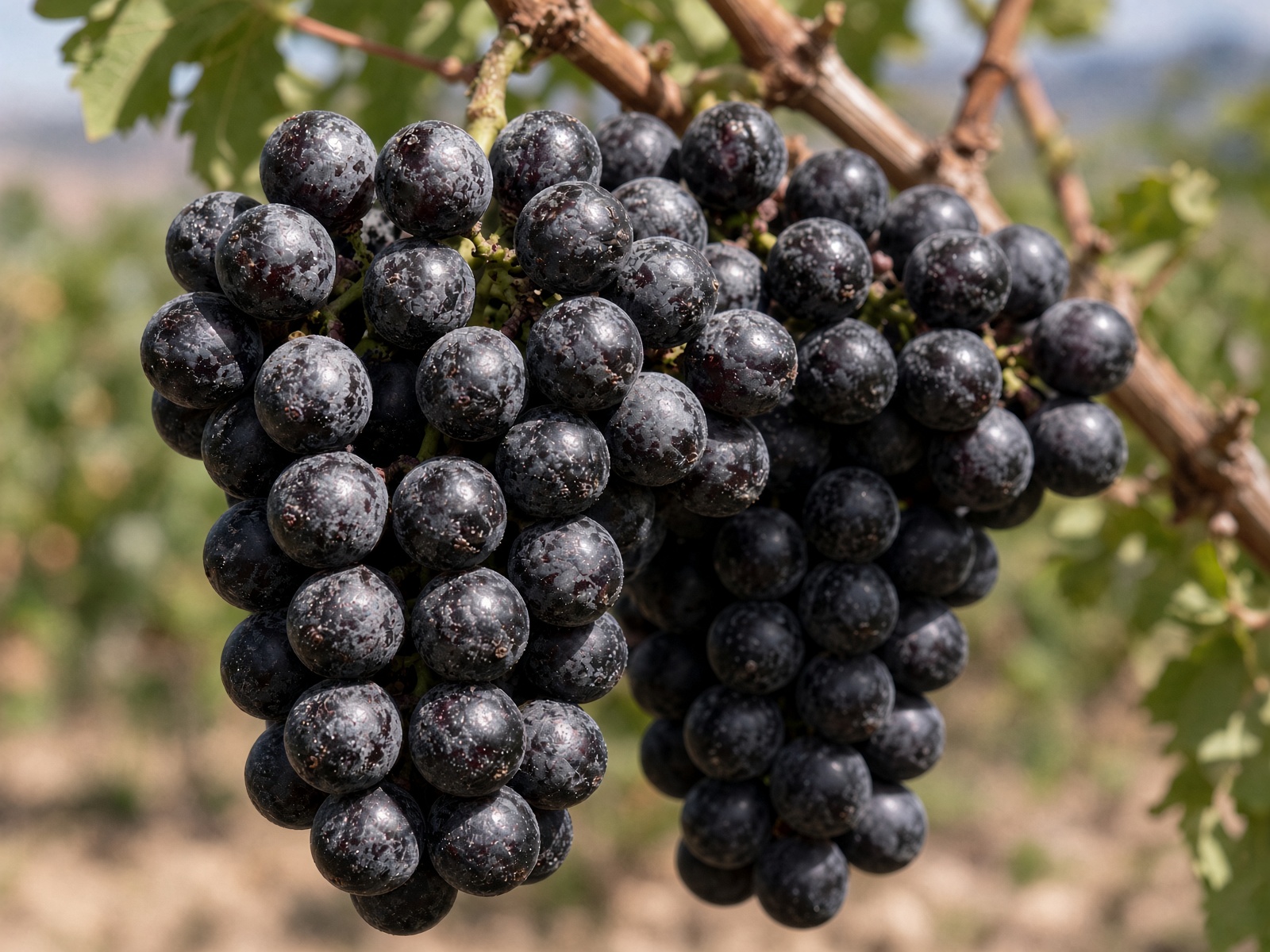
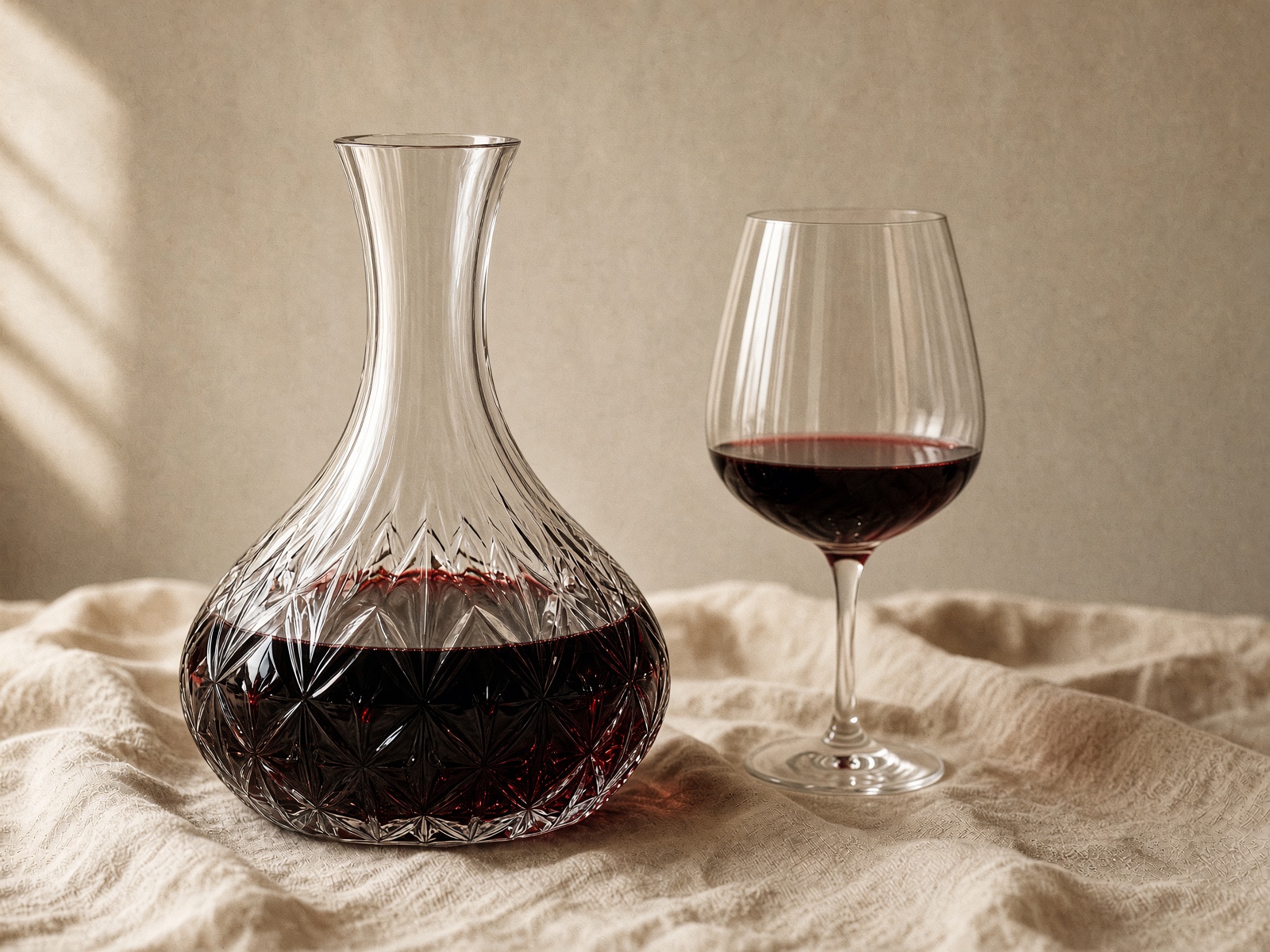
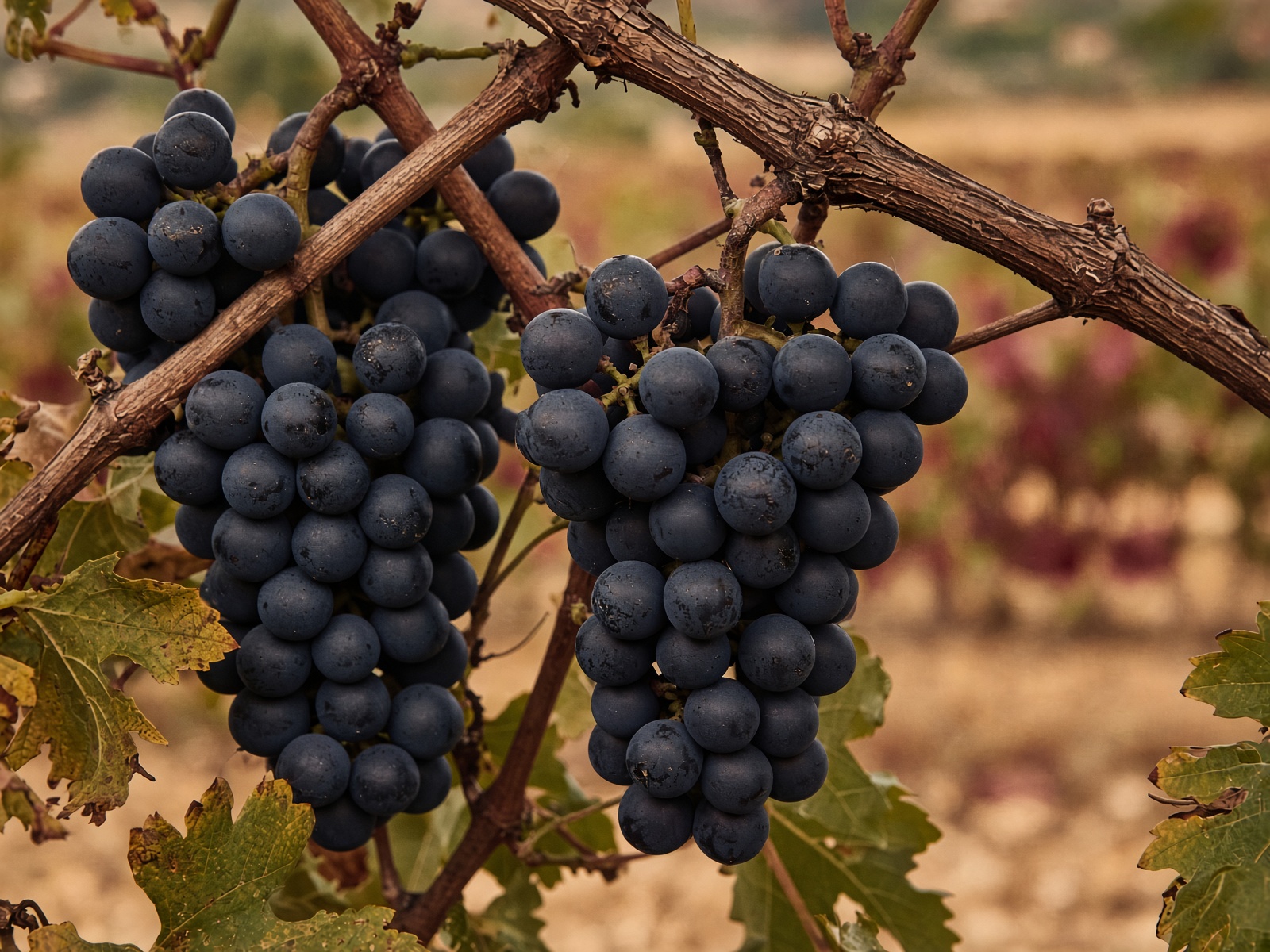
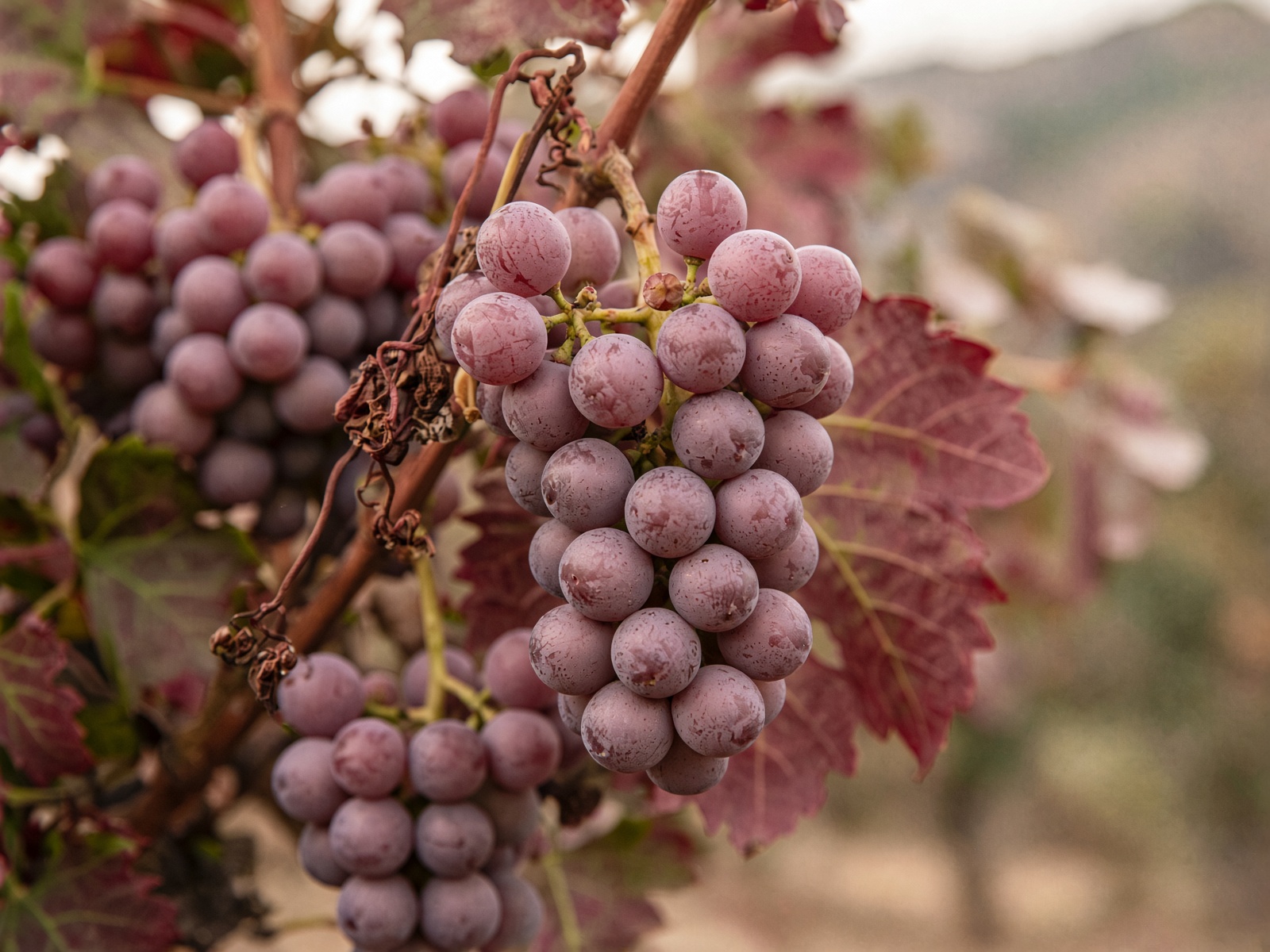
Phenolic compounds from skins, seeds, stems, and oak that dry the gums and give red wine its structure — and much of its ability to age.
Tannin is a texture, not a flavor. Oversteeped tea is the household analogue: bitter, drying, astringent. In wine, ripe tannins feel fine-grained and silky; unripe tannins feel green and scratchy. Oak adds its own, usually sweeter, tannin.
Protein and fat bind tannin, which is why steak loves Cabernet and why a tannic red tastes harsher alone. Time polymerizes tannins so they precipitate as sediment and the wine feels softer.
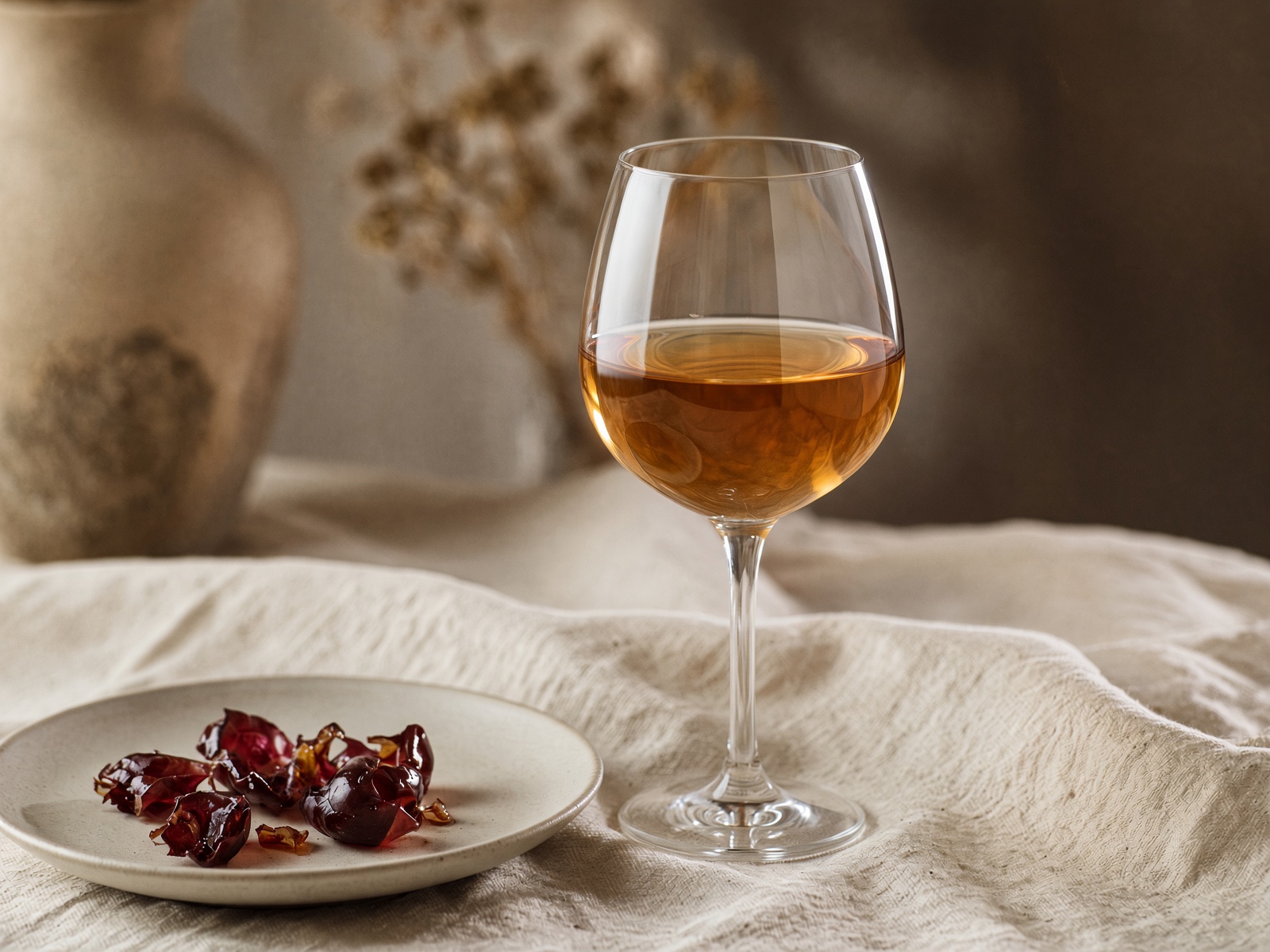
Whites have little tannin unless they are skin-contact. If a white grips, you are probably in orange-wine country.