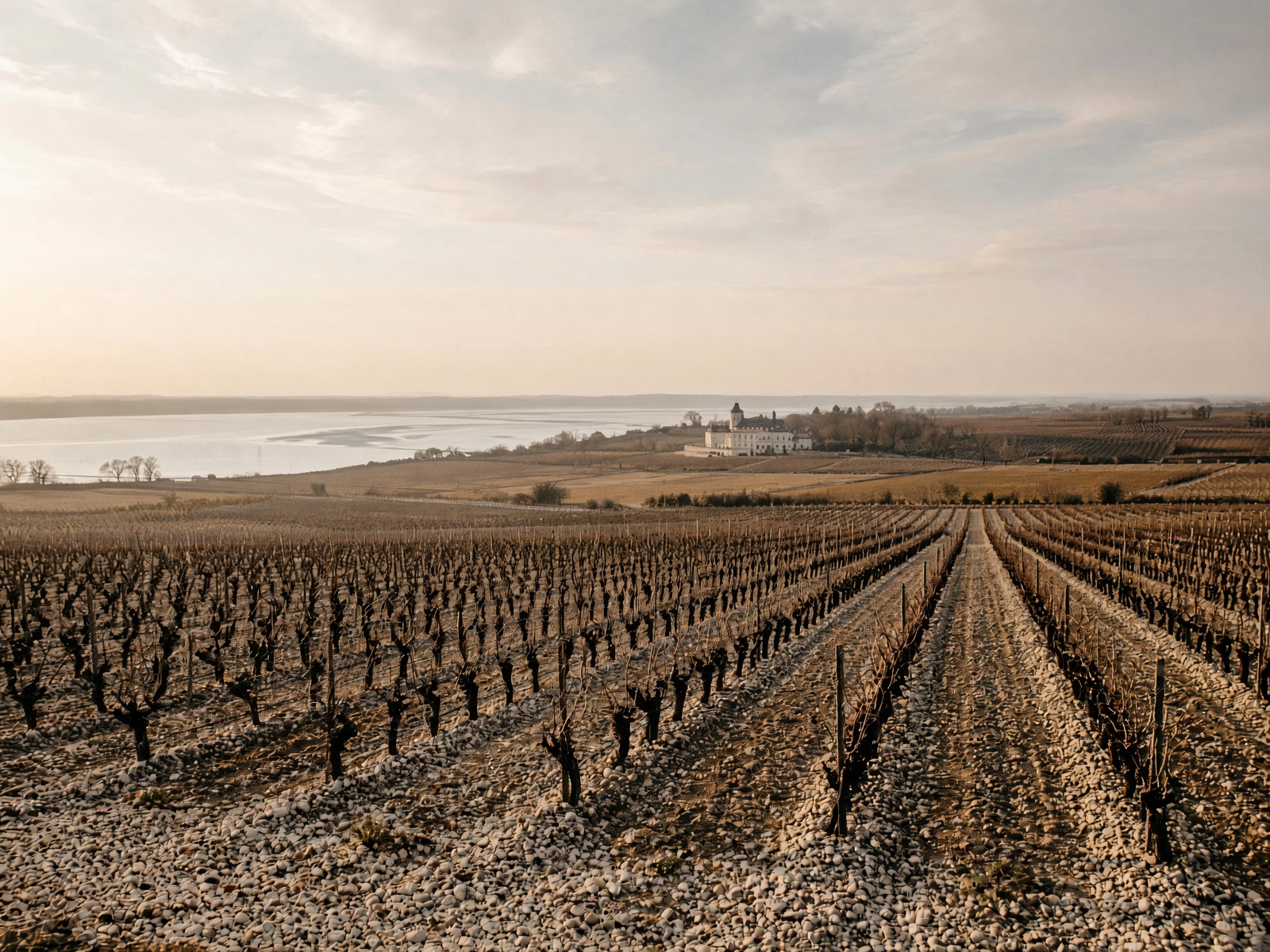
Grape · Bordeaux, France
Cabernet Sauvignon
kab-er-NAY soh-vee-NYOHN
Structure, cassis, time
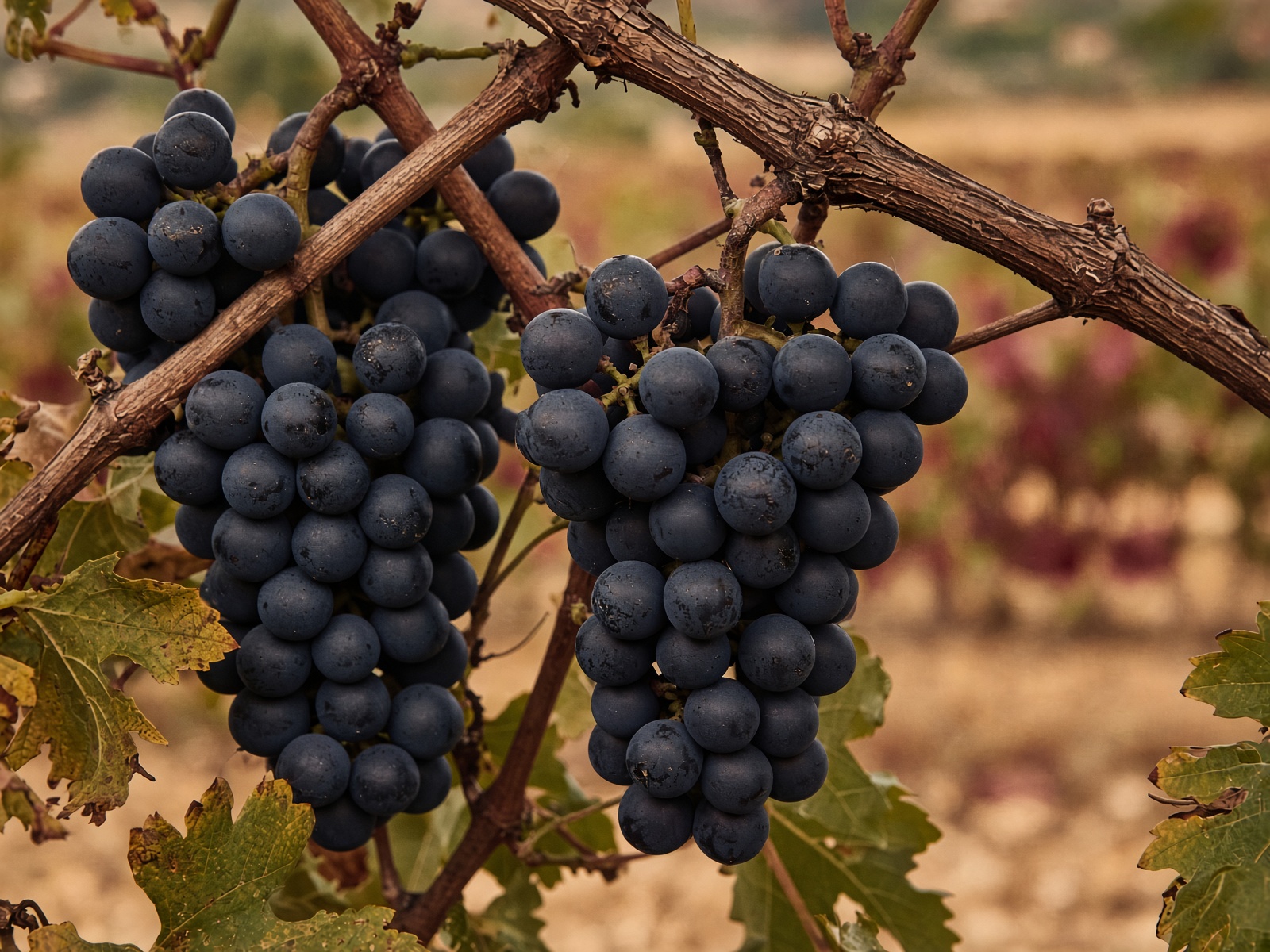
The world's most planted noble red. Cabernet Sauvignon is built for aging: high tannin, black fruit, and a cedar-graphite spine.
- blackcurrant
- cedar
- graphite
- bell pepper
- mint
Profile
A natural cross of Cabernet Franc and Sauvignon Blanc, Cabernet Sauvignon has thick skins, small berries, and late ripening. That biology gives color, tannin, and a distinctive green-to-black aromatic range depending on how fully it ripens.
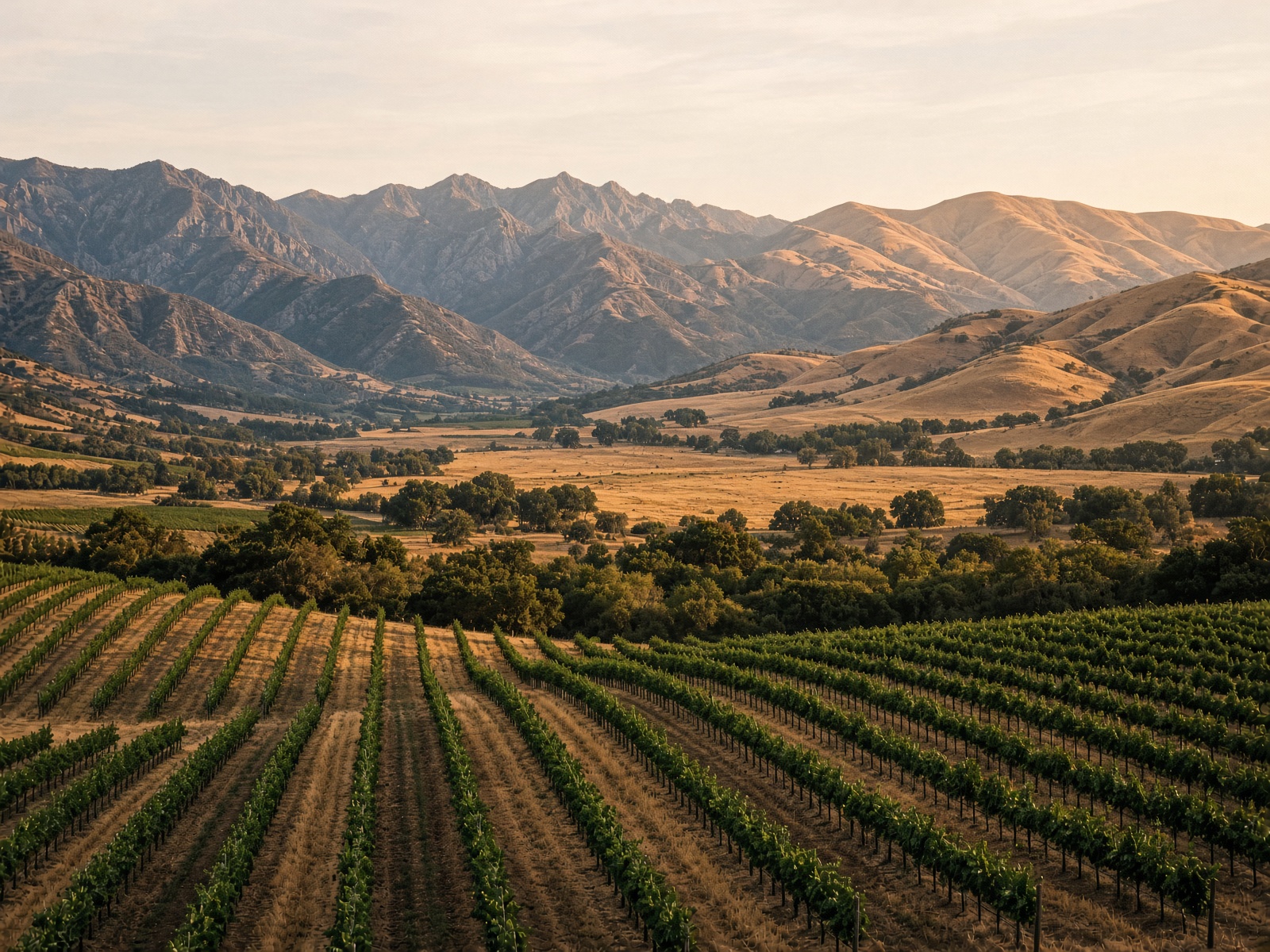
In Bordeaux's Left Bank it is blended with Merlot and Cabernet Franc. In Napa it often stands alone, riper and more opulent. Coonawarra, Stellenbosch, Bolgheri, and Washington State all have a claim.
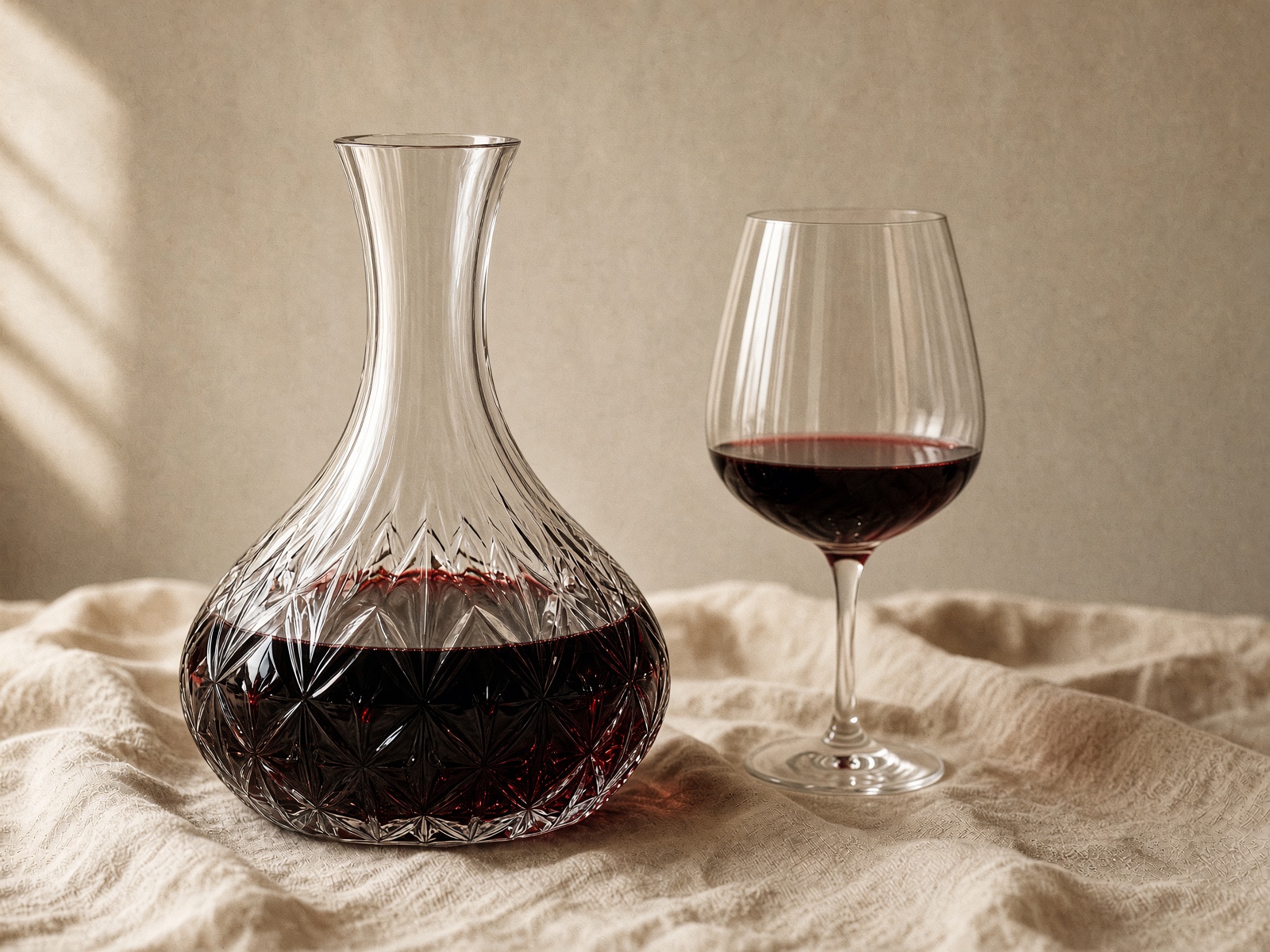
Young Cabernet can taste like furniture if you serve it too cold or too soon. Decant ambitious bottles an hour or two. Pair with fat and char — steak, lamb, hard cheese — so tannin has something to grip.
At the table
Service
61–64 °F (16–18 °C) in a tall Bordeaux glass. Decant young wines 60–90 minutes.